Crimea Cuts, St. Pete Double Tap, Boats Bashed
AI Analysis
Ukraine conducted a significant long-range drone strike campaign targeting Russian infrastructure and naval assets, coinciding with a major security conference. Russia continues to experience high casualty rates for limited territorial gains. Recurring incidents of Russian drones entering Romanian airspace highlight potential vulnerabilities in NATO's air defense posture.
Key Takeaways
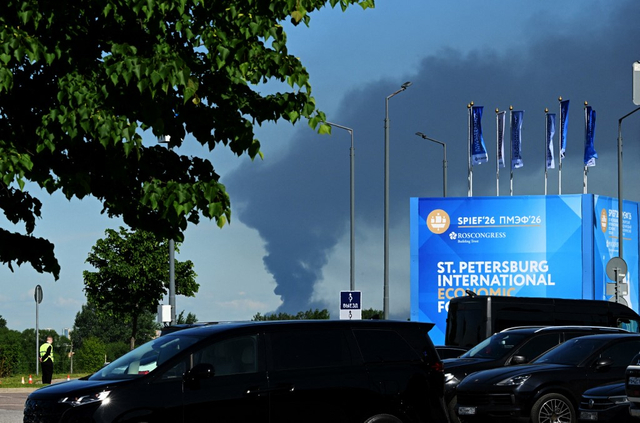
- Ukraine utilized long-range drones to strike St. Petersburg's oil terminal and Kronshtadt naval base.
- Multiple ships in the Azov Sea were also targeted during the drone campaign.
- Russian territorial gains in May were minimal (14 sq km) with extremely high casualties (approx. 30,000).
- A second Russian drone was discovered in Romania, near Băsești, without a substantial NATO response.
- The timing of the drone strikes appears deliberately coordinated to coincide with Putin’s security conference.
Why It Matters
This demonstrates Ukraine's increasing capability to project force deep into Russian territory, impacting logistical hubs and potentially disrupting military operations. The high Russian casualty rate suggests a declining capacity for offensive operations and potential morale issues. The repeated airspace violations in Romania raise concerns about the effectiveness of existing air defense systems and the potential for escalation.
Ukraine launched a major long-range drone campaign against Russia, striking St. Petersburg’s oil terminal, the Kronshtadt naval base, and multiple ships in the Azov Sea — timed to embarrass Putin’s high-profile Petersburg security conference. Meanwhile on the ground, Russia gained just 14 square kilometers in May at a cost of roughly 30,000 casualties, a pace that even Russian milbloggers call unsustainable. In Romania, a second stray Russian drone found near Băsești drew no meaningful NATO response.