US approves Kuwait request to buy nearly $2 billion of counter-drone platforms
AI Analysis
The U.S. State Department approved a potential $1.98 billion sale of Anduril-manufactured counter-UAS platforms to Kuwait, spurred by recent Iranian attacks on Kuwaiti infrastructure. The sale includes both electronic and kinetic defeat capabilities, alongside command & control systems and training. This represents a significant investment in Kuwait’s air defense capabilities.
Key Takeaways
- Kuwait requested the c-UAS systems following attacks on its infrastructure, specifically the Kuwait International Airport, attributed to Iran.
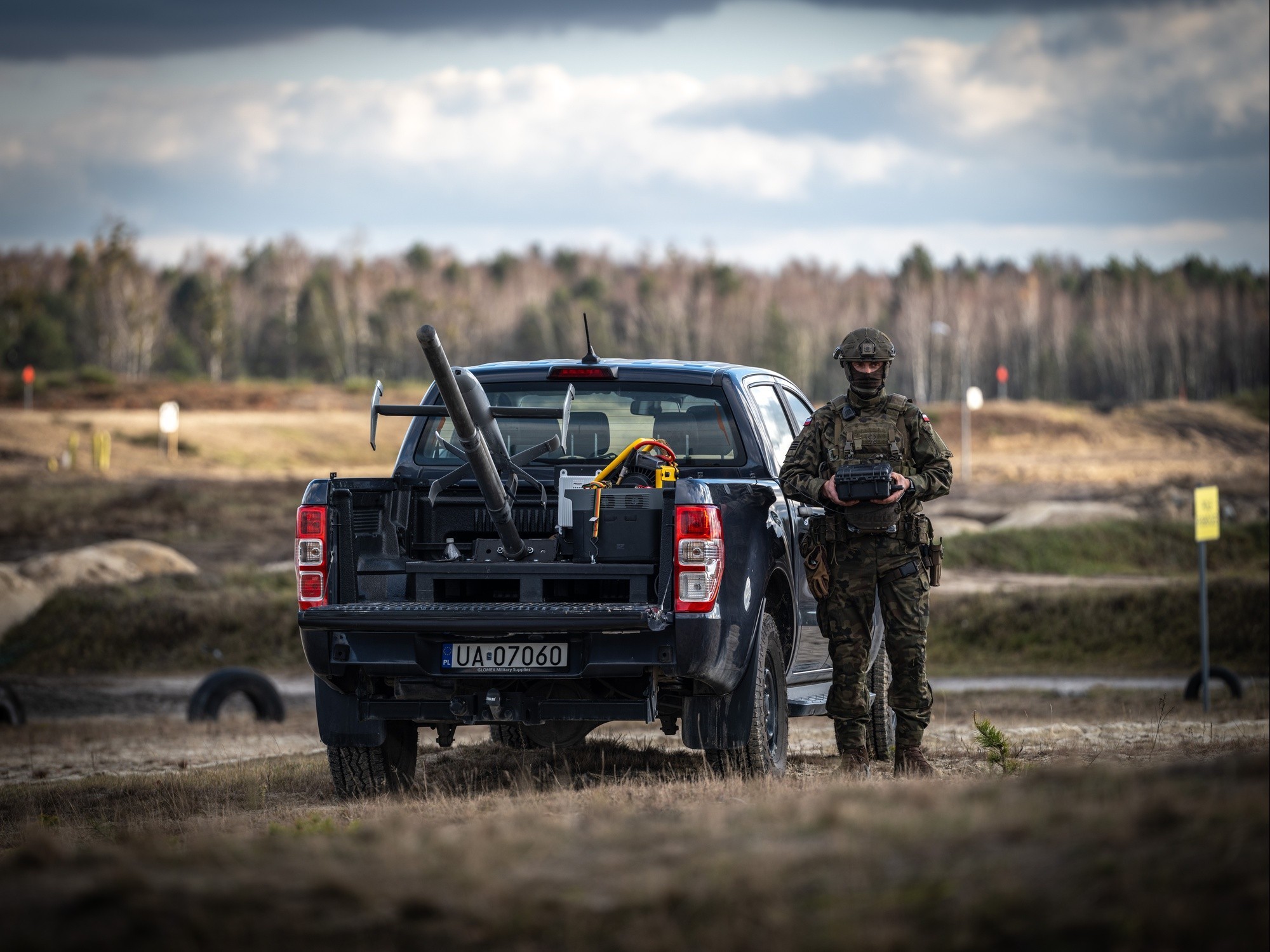
- The sale includes Anduril’s c-UAS platforms, encompassing lattice command and control, training, software development, and both electronic and kinetic defeat systems.
- The U.S. State Department asserts the sale will not significantly alter the regional military balance.
- Iran’s Revolutionary Guard Corps claimed responsibility for attacks on U.S. bases in Kuwait and Bahrain as retaliation for U.S. strikes.
- The deal underscores a broader need for enhanced air defense capabilities among Gulf nations facing ongoing threats.
Why It Matters
This sale demonstrates a U.S. commitment to bolstering the defense capabilities of its allies in the Middle East, particularly against the growing threat of Iranian drone warfare. It also highlights the increasing importance of c-UAS technology as a critical component of modern air defense systems, and signals confidence in Anduril as a key provider in this space. The acquisition will likely improve Kuwait’s ability to protect critical infrastructure and deter future attacks.
The U.S. Department of State approved a possible sale of nearly $2 billion worth of counter-unmanned aerial systems to Kuwait.
Kuwait requested the c-UAS platforms, built by Anduril, in an effort to improve the country’s ability to counter current and future threats, according to a Friday release. The request followed attacks last week carried out by Iran on Kuwait infrastructure.
“This proposed sale will support the foreign policy and national security objectives of the United States by improving the security of a major non-NATO ally that has been an important force for political stability and economic progress in the Middle East,” a statement from the State Department reads.
The approval comes days after Iran launched a drone and missile attack on June 3 that damaged the Kuwait International Airport, killing one and injuring more than 60 people.
Three days later, Iran’s Revolutionary Guard Corps said it targeted U.S. bases in Kuwait and Bahrain in response to U.S. strikes. There were no casualties, but the Saturday attack did cause some material damage, according to Kuwait’s army.
Gulf nations have been the target of strikes throughout the ceasefire and during negotiations between the U.S. and Iran to end the war and reopen the Strait of Hormuz, showcasing the frustration among the countries and a need for more defense capabilities, like this deal.
“The proposed sale of this equipment and support will not alter the basic military balance in the region,” the announcement says.
The estimated $1.98 billion sale will include “non-major defense equipment,” such as lattice command and control, personnel training and software development, and it will supply Kuwait with electronic and kinetic “defeat capabilities” against unmanned aerial systems.
Cristina Stassis is a reporter covering stories surrounding the defense industry, national security, military/veteran affairs and more. She previously worked as an editorial fellow for Defense News in 2024 where she assisted the newsroom in breaking news across Sightline Media Group.