Ukrainian Drones Now Autonomously Down Shaheds
AI Analysis
Ukraine is deploying autonomous interceptor drones, developed with the Brave1 platform, capable of independently engaging and destroying Russian Shahed drones. These systems have undergone successful combat testing in the Kharkiv region and automate 95% of the interception process. The deployment has already doubled the rate of Shahed drone destruction over the past four months despite increased Russian launches.
Key Takeaways
- Ukrainian interceptor drones now autonomously target and destroy Shahed drones.
- The system, developed by Brave1, automates 95% of the interception process (launch to destruction).
- Operators provide initial target selection and engagement authorization, with the drone handling tracking and final approach.
- The technology was developed and deployed within a year, demonstrating rapid innovation.
- Ukraine aims for a 95% interception rate of all aerial targets and has seen a doubling of Shahed destruction rates in recent months.
Why It Matters
This development signifies a crucial shift towards increased automation in air defense, allowing Ukraine to respond more effectively to large-scale drone attacks. Autonomous interception reduces operator workload and reaction time, potentially increasing the success rate against swarming drones like the Shahed. The rapid development cycle highlights Ukraine's growing indigenous defense capabilities and the effectiveness of innovation platforms like Brave1.
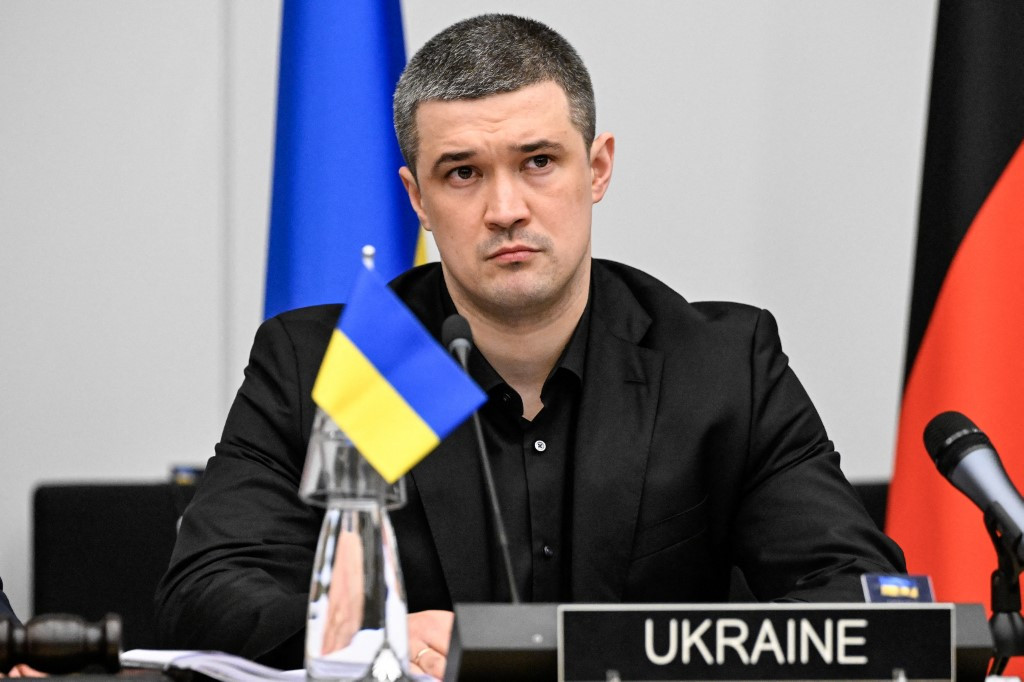
Ukrainian interceptor drones are already autonomously shooting down Russian Shahed attack drones, Defense Minister Mykhailo Fedorov said Monday, as Kyiv continues efforts to strengthen air defenses against large-scale aerial attacks.
According to Fedorov, the technology was developed by a participant in the Brave1 defense innovation platform and automates 95% of the interception process, from launch to target destruction.
Follow our coverage of the war on the @Kyivpost_official.
“Ukrainian drones are already autonomously intercepting Shaheds. We are scaling up a new generation of interceptor drones,” Fedorov wrote on Telegram.
The system has completed combat testing in the Kharkiv region, he said.
Fedorov said operators can monitor targets in real time, select a target and authorize an engagement, while the system independently guides the drone for the remainder of the mission.
After launch, the interceptor autonomously tracks, identifies and homes in on a Shahed drone without requiring constant operator input.
The technology was developed in less than a year, progressing from a prototype to successful battlefield deployment with support from Brave1, a Ukrainian government platform that helps accelerate defense innovation.
Fedorov described autonomy as one of the key directions in the development of modern air defense systems.
“Autonomy is one of the key directions for the development of modern air defense. Such technologies make it possible to respond faster to large-scale attacks and protect Ukrainian cities more effectively,” Fedorov said.
Ukraine has increasingly relied on domestically developed technologies to counter Russia’s expanding use of Shahed drones, which Moscow regularly deploys in large numbers against Ukrainian cities and infrastructure.
Fedorov said Ukraine is continuing to scale up solutions that have already proven effective in combat conditions.
The defense minister has said that Ukraine’s strategic goal is to achieve a stable interception rate of 95% of aerial targets.
Ukraine continues to develop a “small” air defense system that has already significantly improved the interception of Russian Shahed drones.
Fedorov said the share of Shaheds destroyed by interceptor drones has doubled over the past four months, despite Russia increasing the number of launched kamikaze drones by around 35% every month.
Kyiv Post is Ukraine’s first and oldest English news organization since 1995. Its international market reach of 97% outside of Ukraine makes it truly Ukraine’s Global – and most reliable – Voice.