U.S. Army Evaluates New Command-Networked Drone Interceptor
AI Analysis
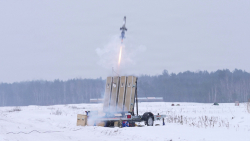
The U.S. Army is evaluating a new, low-cost drone interceptor designed to operate without reliance on radar. This system is intended to integrate with existing command-and-control networks and is being tested as part of a broader NATO effort to bolster air defense capabilities in Europe. The focus is on a networked solution, suggesting a move towards coordinated counter-UAS operations.
Key Takeaways
- U.S. Army is testing a new drone interceptor.
- The interceptor is described as 'low-cost'.
- System is 'radar-agnostic', implying it uses alternative targeting methods (likely EO/IR or acoustic).
- Integration with existing command-and-control networks is a key feature.
- Testing is occurring under a NATO framework, focused on strengthening European defenses.
Why It Matters
The development of radar-agnostic interceptors is crucial as drones increasingly employ techniques to evade radar detection. Networked integration enhances response times and allows for a more coordinated defense against swarming drone attacks. This NATO-backed initiative signals a growing concern over drone threats and a collaborative approach to counter-UAS development.
Defense Post <br/> <p>The U.S. Army is testing a low-cost, radar-agnostic drone interceptor that integrates with existing command-and-control networks as part of a NATO effort to strengthen Europe's...