Iranian Missile Strike on US Base in Kuwait Wounds 5 and Destroys MQ-9 Reapers
AI Analysis
Iran launched a Fateh-110 ballistic missile at the Ali Al Salem Air Base in Kuwait, impacting a US facility despite interception by Kuwaiti air defenses. The attack resulted in minor injuries to five personnel and the destruction of one MQ-9 Reaper drone, with another sustaining severe damage. This strike occurs amidst ongoing peace negotiations, potentially jeopardizing a temporary ceasefire agreement.
Key Takeaways
- Iran utilized a Fateh-110 short-range ballistic missile in the attack.
- Kuwaiti air defense systems intercepted the missile, but falling debris caused damage and casualties.
- One MQ-9 Reaper drone was destroyed, and another severely damaged, representing approximately $60 million in material losses.
- The attack coincides with a pending peace agreement mediated by the US, potentially derailing the process.
- The incident follows a pattern of over 1,850 Iranian ballistic missile launches since February, indicating a sustained escalation of tensions.
Why It Matters
This direct attack on a US base demonstrates Iran’s willingness to escalate tensions and potentially sabotage ongoing diplomatic efforts. The destruction of a high-value asset like an MQ-9 Reaper highlights vulnerabilities in base defenses and the challenges of countering ballistic missile attacks. The incident may prompt a US military response, further destabilizing the region.
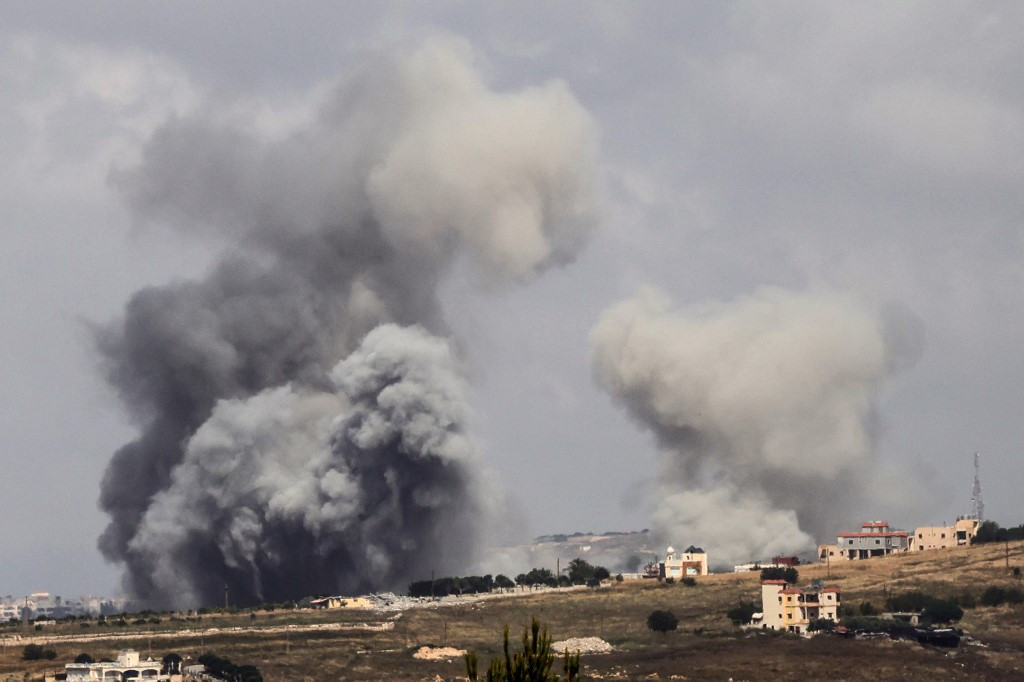
An Iranian ballistic missile strike has targeted a major US military hub in Kuwait on Saturday, May 30, wounding multiple personnel and destroying high-value aviation assets, Bloomberg reported.
According to intelligence and military sources, Iran deployed a Fateh-110 short-range ballistic missile targeting the Ali Al Salem Air Base in Kuwait. The Fateh-110 is a solid-fuel missile capable of carrying a high-explosive warhead weighing approximately 500 kilograms.
Follow our coverage of the war on the @Kyivpost_official.
Kuwaiti air defense batteries successfully engaged and intercepted the incoming projectile before it could impact its primary target. However, the mid-air detonation caused heavy, mangled fragments of the missile to rain directly down onto the perimeter of the military facility.
The falling debris wounded approximately five people, including both active-duty US military personnel and private civilian contractors working for the US armed forces. All victims reportedly sustained minor injuries and are receiving medical treatment.
While personnel casualties were limited, the terminal debris field caused severe, high-cost material destruction to the base’s flight line. One multi-mission unmanned strike and reconnaissance MQ-9 Reaper aircraft was caught in the immediate blast radius of the falling wreckage and completely obliterated. Simultaneously, a second Reaper drone parked nearby sustained severe structural and electronic damage from the resulting shrapnel.
Bloomberg underscored that each MQ-9 Reaper platform carries an estimated procurement value of $30 million, placing the baseline material damage from the single missile interception at roughly $60 million. This latest launch raises the estimated total of Iranian ballistic missiles fired at regional targets since the outbreak of the war in late February to over 1,850 projectiles.
The sudden kinetic strike directly threatens the primary operational parameters of a strategic memorandum of understanding unveiled by US President Donald Trump just 24 hours prior. Trump had published updates on his Truth Social platform, regarding weeks of high-stakes backchannel negotiations mediated by regional brokers to end the active phase of the war.
The core framework of the pending agreement mandates a temporary 60-day prolongation of a regional ceasefire originally established on April 7. The truce was designed to buy time for international planners to establish permanent solutions for critical maritime and nuclear issues.
The conflict with Iran, which began on Feb. 28, triggered a global energy crisis after Iran blocked the vital waterway, which handles roughly 20% of global oil shipments. The treaty requires Iran to clear its naval mine networks within 30 days in exchange for the US lifting its mid-April naval blockade on Iranian ports.
The agreement includes a joint US-Chinese heavy engineering mission to extract and neutralize enriched radioactive stockpiles trapped beneath underground research bunkers collapsed 11 months ago by US B-2 stealth bomber strikes.
The Pentagon had already issued a stark warning at the Shangri-La Dialogue in Singapore, stating that the US maintains vast strategic reserves and is fully prepared to resume massive global strikes if diplomacy fails.
Following this direct attack on a US facility, Trump’s plan to wait for electronic verification that Iran’s Supreme Leader, Mojtaba Khamenei, has personally signed off on the peace proposal is now under immediate duress, as military commanders weigh potential retaliatory responses.
Kyiv Post is Ukraine’s first and oldest English news organization since 1995. Its international market reach of 97% outside of Ukraine makes it truly Ukraine’s Global – and most reliable – Voice.