JIATF-401 Awards $500M Counter-UAS Contract to Perennial Autonomy | Let's Data Science

AI Analysis
JIATF-401 has awarded Perennial Autonomy a $500 million contract for AI-enabled counter-UAS systems. The contract covers the Merops, Bumblebee, and Hornet drones, which are already reportedly in use by US Central Command. This procurement signals a shift towards attritable, kinetic defenses for scalable and cost-effective air defense.
Key Takeaways
- JIATF-401 awarded Perennial Autonomy a $500M Indefinite Delivery/Indefinite Quantity (IDIQ) contract.
- The contract focuses on low-cost, attritable air-to-air drone interceptors for protecting warfighters and assets.
- Key systems included are Merops interceptors, Bumblebee quadcopters, and Hornet midrange strike drones.
- These systems utilize computer vision, radio-frequency sensing, jam-resistant communications, and autonomous targeting.
- The systems are designed to integrate with existing command-and-control architectures, as praised by Army Brig. Gen. Matt Ross.
Why It Matters
This contract highlights the increasing importance of counter-UAS capabilities and the US military's adoption of AI-driven, kinetic solutions. The focus on attritable systems suggests a move away from expensive, traditional air defense methods towards a more scalable and cost-effective approach. This procurement, alongside the Army's MOSAIC effort, indicates a broader strategic shift in layered air defense.
JIATF-401 Awards $500M Counter-UAS Contract to Perennial Autonomy | Let's Data Science
Feedback
JIATF-401 Awards $500M Counter-UAS Contract to Perennial Autonomy | Let's Data Science
Skip to content
 LDS
Let's Data ScienceLEARN • BUILD • STAY AHEAD
Sign in
Feedback
Security & Riskperennial autonomycounter uasmeropsbumblebee
LDS
Let's Data ScienceLEARN • BUILD • STAY AHEAD
Sign in
Feedback
Security & Riskperennial autonomycounter uasmeropsbumblebee
JIATF-401 Awards $500M Counter-UAS Contract to Perennial Autonomy
5 sources|May 22, 2026
7.1
Relevance Score
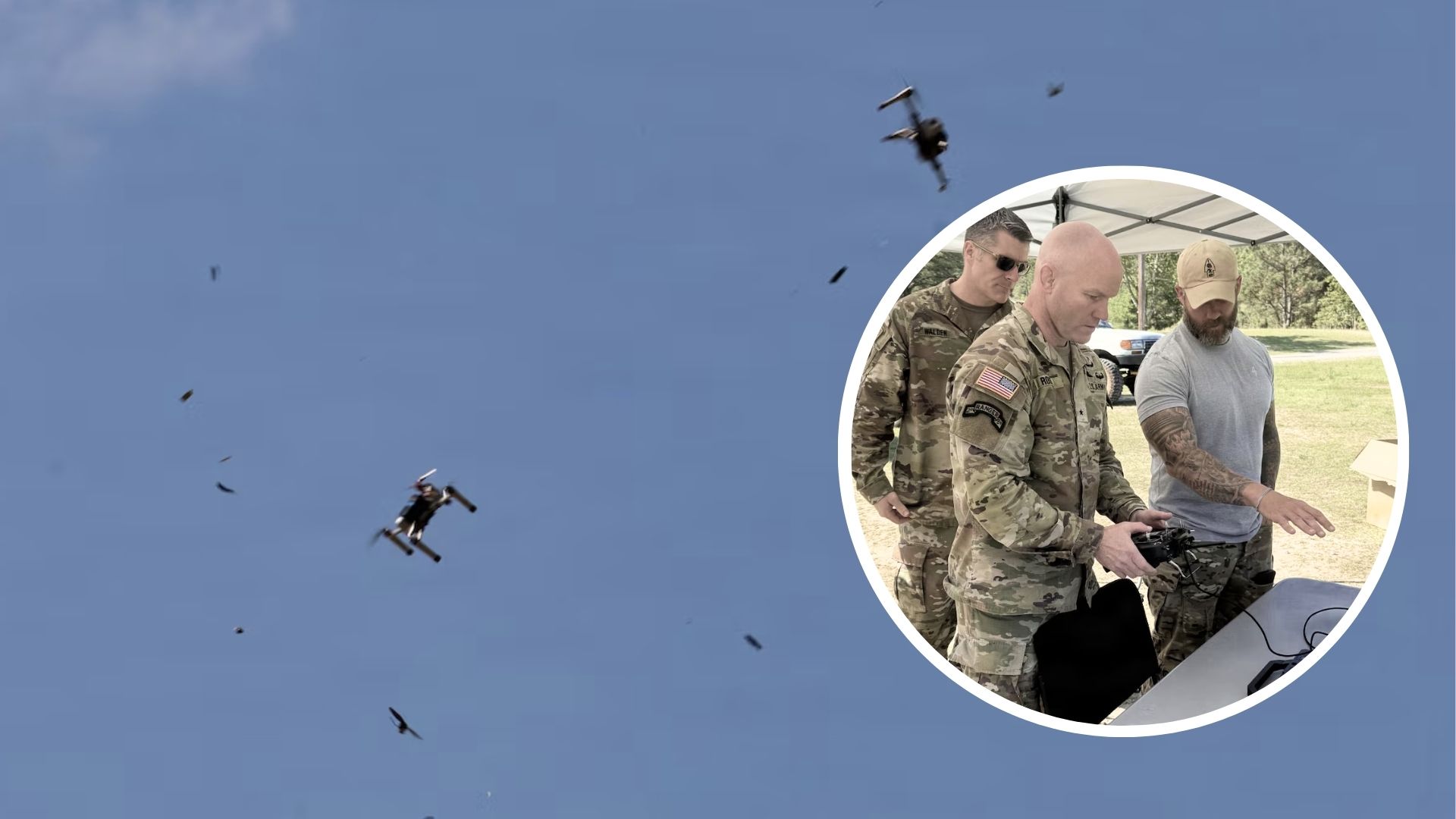 Photo: cms.interestingengineering.com · rights & takedowns
Quick SummaryHide
The Joint Interagency Task Force 401 awarded a three-year Indefinite Delivery/Indefinite Quantity contract with a $500 million ceiling to Perennial Autonomy, according to War.gov and DefenseNews. The award covers a family of AI-enabled counter-unmanned aerial systems, including the Merops interceptors, Bumblebee quadcopters, and Hornet midrange strike drones, which sources say are already in operational use with U.S. Central Command. Per reporting by War.gov and Interesting Engineering, the platforms combine computer vision, radio-frequency sensing, jam-resistant communications, and autonomous targeting while preserving warfighter decision authority; Army Brig. Gen. Matt Ross is quoted praising the systems ability to integrate with command-and-control architectures. Editorial analysis: This procurement and the parallel Army MOSAIC low-cost-interceptor effort reflect a broader shift toward attritable, AI-enabled kinetic defenses to lower cost-per-intercept and scale layered air defense.
Photo: cms.interestingengineering.com · rights & takedowns
Quick SummaryHide
The Joint Interagency Task Force 401 awarded a three-year Indefinite Delivery/Indefinite Quantity contract with a $500 million ceiling to Perennial Autonomy, according to War.gov and DefenseNews. The award covers a family of AI-enabled counter-unmanned aerial systems, including the Merops interceptors, Bumblebee quadcopters, and Hornet midrange strike drones, which sources say are already in operational use with U.S. Central Command. Per reporting by War.gov and Interesting Engineering, the platforms combine computer vision, radio-frequency sensing, jam-resistant communications, and autonomous targeting while preserving warfighter decision authority; Army Brig. Gen. Matt Ross is quoted praising the systems ability to integrate with command-and-control architectures. Editorial analysis: This procurement and the parallel Army MOSAIC low-cost-interceptor effort reflect a broader shift toward attritable, AI-enabled kinetic defenses to lower cost-per-intercept and scale layered air defense.
What happened
The Joint Interagency Task Force 401 (JIATF-401) awarded a three-year Indefinite Delivery/Indefinite Quantity contract with a $500 million ceiling to Perennial Autonomy, according to a War.gov announcement. The contract funds deployment and scaling of low-cost, attritable air-to-air drone interceptors used to protect warfighters and power-projection platforms at home and abroad, per War.gov and DefenseNews. The Army and DoD statements, reported by War.gov and Interesting Engineering, list the specific platforms covered by the award as the Merops interceptors, Bumblebee quadcopters, and Hornet midrange strike drones. War.gov and Interesting Engineering report that these systems integrate detection, tracking, and engagement capabilities using computer vision, **radi