Ukraine Deploys AI-Powered Turrets to Counter Fiber-Optic Drones
AI Analysis
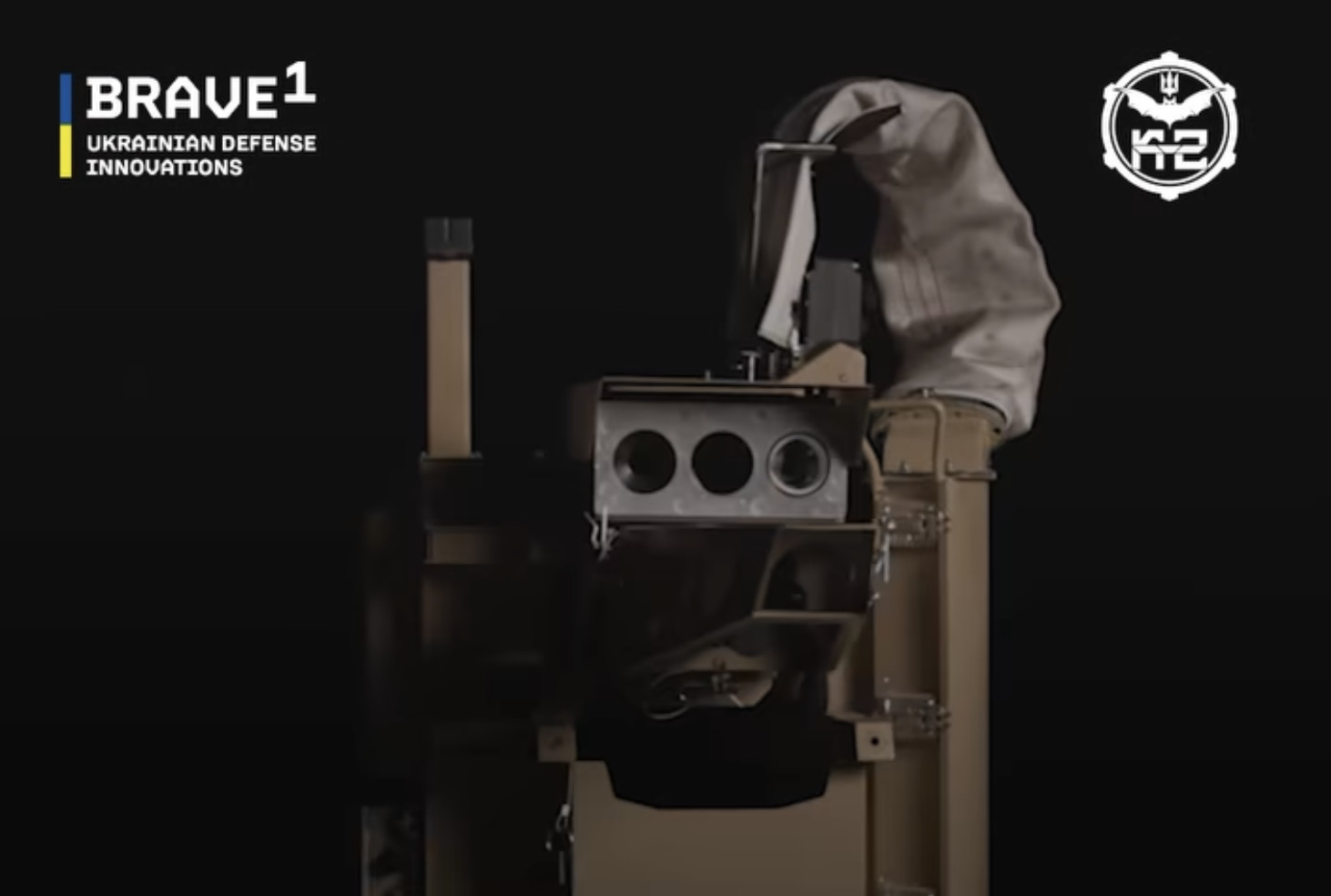
Ukraine has deployed AI-powered turrets developed by the Brave1 cluster to counter enemy drones on the frontline. These turrets autonomously detect, track, and engage drones with operator-confirmed strikes. A key capability is the system's ability to intercept drones utilizing fiber-optic control links, bypassing traditional electronic warfare countermeasures.
Key Takeaways
- AI-powered turrets are now operational with the Ukrainian military.
- The system requires only operator confirmation to engage targets after autonomous detection and tracking.
- The turrets are effective against drones controlled via fiber-optic cables, a vulnerability not addressed by EW systems.
- Initial deployment was with the K-2 Brigade, now expanded to over ten units.
- The system is a product of the Brave1 defense cluster, indicating a focus on domestic defense innovation.
Why It Matters
The deployment signals a shift towards increasingly autonomous counter-UAS systems and highlights the growing threat of fiber-optic controlled drones. This technology addresses a critical vulnerability in current drone defense strategies, as fiber-optic links are immune to jamming and spoofing. Success in Ukraine could drive adoption of similar systems globally.
An AI-powered turret developed through the Brave1 defense cluster is now operational in combat, according to Defense Minister Mykhailo Fedorov. The system autonomously detects and tracks enemy drones, requiring only a single button press from an operator to confirm the strike. Crucially, the technology can intercept drones controlled via fiber-optic cables, which are invulnerable to electronic warfare (EW). First utilized by the K-2 Brigade, the turrets are now active in over ten units across key sectors of the frontline.