Pentagon and FAA agree to conduct anti-drone laser tests in New Mexico
AI Analysis
The Pentagon and FAA have agreed to conduct anti-drone laser tests at the White Sands Missile Range in New Mexico to address FAA safety concerns following previous uncoordinated deployments that led to airspace closures in Texas. The tests aim to improve coordination and safety in counter-UAS operations.
Key Takeaways
- Pentagon and FAA to conduct anti-drone laser tests in New Mexico.
- Previous uncoordinated laser deployments led to airspace closures in Texas.
- The tests are in response to FAA safety concerns.
- The military must notify the FAA of counter-drone actions in U.S. airspace.
- Senator Tammy Duckworth called for an investigation into the February incidents.
Why It Matters
This development highlights the need for improved coordination between military and civilian agencies in counter-UAS operations to ensure airspace safety. The strategic use of anti-drone lasers is crucial for addressing threats posed by unauthorized drones, particularly along sensitive borders, while maintaining public safety and airspace integrity.
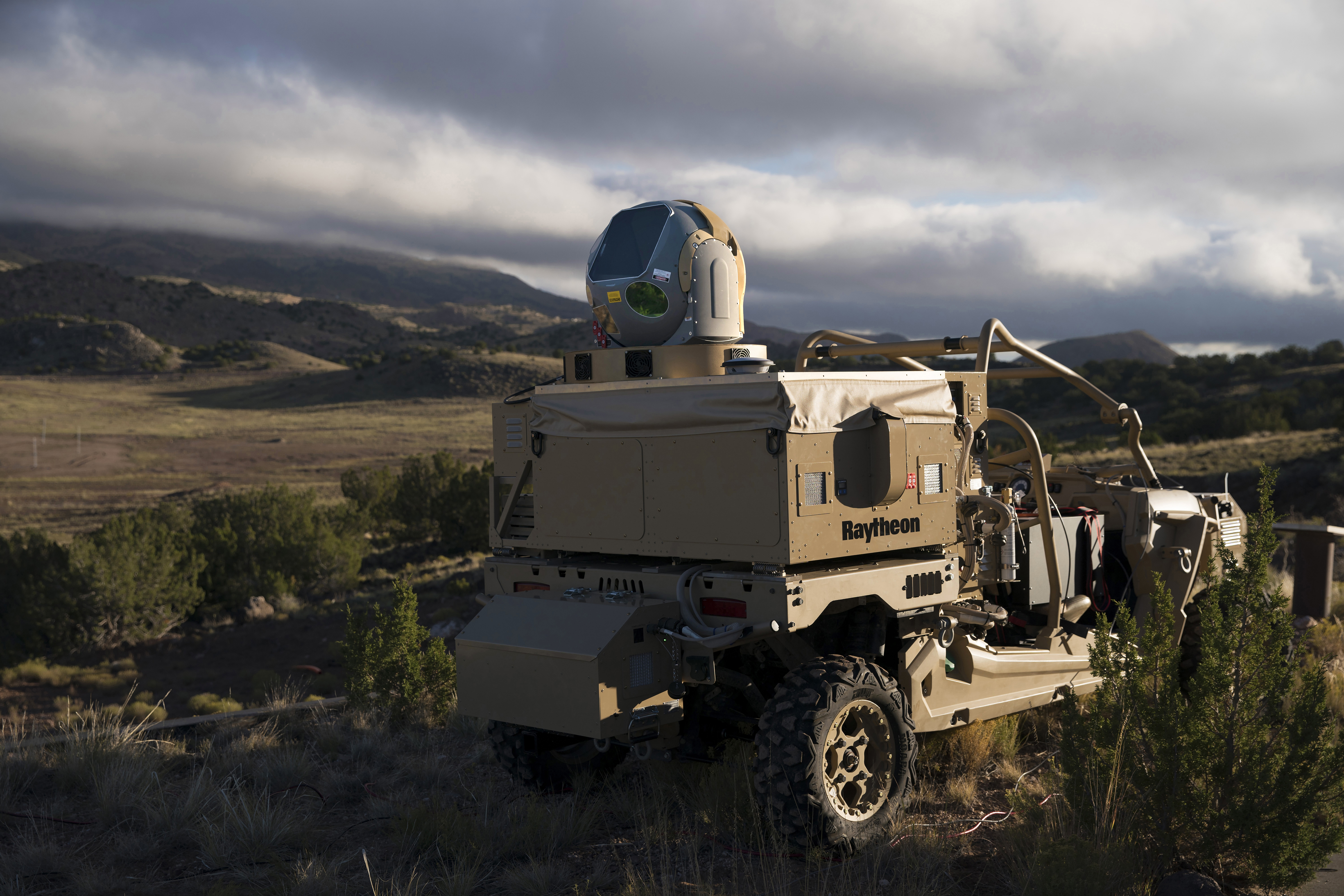
The Pentagon and the Federal Aviation Administration agreed to conduct anti-drone laser tests in New Mexico after the military’s deployment of the lasers led the FAA to suddenly close airspace in Texas twice in the last month.
The newly announced testing was being carried out to “specifically address FAA safety concerns,” the military said Friday in a statement. It was to take place Saturday and Sunday at the White Sands Missile Range in New Mexico.
Lawmakers were concerned about an apparent lack of coordination after the Pentagon allowed U.S. Customs and Border Protection to use an anti-drone laser in early February without notifying the FAA. The federal agency that ensures safety in the skies decided to close the airspace over El Paso for a few hours, stranding many travelers.
The Trump administration said it was working to halt an incursion by Mexican cartel drones, which are not uncommon along the southern border.
On Feb. 26 the U.S. military used the laser to shoot down a “seemingly threatening” drone flying near the U.S.-Mexico border. It turned out the drone belonged to Customs and Border Protection, lawmakers said.
The incident led the FAA to close the airspace around Fort Hancock, about 50 miles southeast of El Paso.
“We appreciate the coordination with the Department of War to help ensure public safety,” the FAA said of the testing, in a separate statement. “The FAA and DOW are working with interagency partners to address emerging threats posed by unmanned aircraft systems while maintaining the safety of the National Airspace System.”
The military is required to formally notify the FAA when it takes any counter-drone action inside U.S. airspace.
Illinois Democratic Sen. Tammy Duckworth, the ranking member on the Senate’s Aviation Subcommittee, called previously for an independent investigation after the two February incidents.