Shaheds Now Hug the Ground, Ukraine Expands Anti-Drone Shield
AI Analysis
Ukraine is adapting its counter-UAS strategies as Russia employs low-altitude Shahed drones, with over 70% of these drones being intercepted by Ukrainian UAVs in Kyiv. Ukraine is also offering its drone defense expertise to Middle Eastern countries in exchange for diplomatic pressure on Russia.
Key Takeaways
- Russia is deploying Shahed drones at low altitudes to evade detection.
- Ukraine's interceptor UAVs are responsible for over 70% of drone downings in Kyiv.
- Ukraine is enhancing anti-drone measures and upgrading helicopters for better defense.
- President Zelensky offers Ukraine's drone defense expertise to Middle Eastern countries for diplomatic leverage.
- Ukraine has conducted 6,300 sorties, destroying over 1,500 Russian UAVs recently.
Why It Matters
The shift in Russian tactics to low-altitude drone operations presents new challenges for air defense systems, necessitating rapid adaptation by Ukraine. Ukraine's proactive measures and international collaboration efforts highlight the increasing importance of counter-UAS capabilities in modern warfare, potentially influencing global defense strategies.
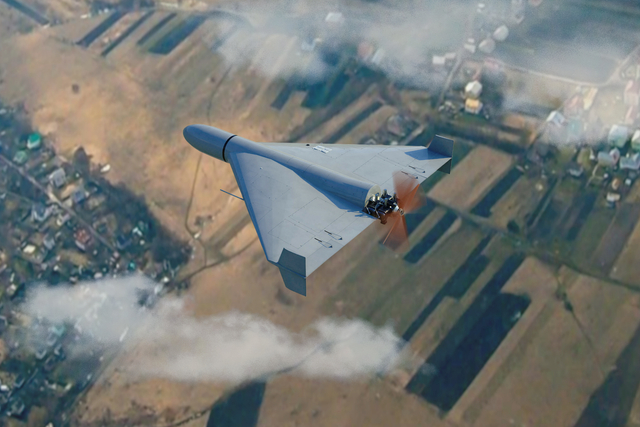
Russia has changed its tactics, deploying “Shahed” strike drones at extremely low altitudes, Commander-in-Chief of the Armed Forces of Ukraine (AFU) Oleksandr Syrsky said.
“I am monitoring the implementation of projects to strengthen anti-drone protection and counter Russian strike drones of the Shahed type,” Syrsky wrote on Telegram on Tuesday, March 3.
Follow our coverage of the war on the @Kyivpost_official.
According to Syrsky, interceptor drones are playing a key role in countering the threat. In Kyiv and the surrounding region in February, more than 70% of Shahed drones were downed using interceptor [unmanned aerial vehicles] UAVs.
Syrsky said he had reviewed progress on projects aimed at strengthening anti-drone protection for major regional administrative centers, as well as upgrading army helicopters to improve their ability to counter Shahed attacks.
“Over the past month, our interceptor drones have made about 6,300 sorties, destroying over one and a half thousand Russian UAVs of various types,” he reported.
He added that the Armed Forces are also adapting to what he described as Russia’s “new tactics for using Shaheds at extremely low altitudes.”
“We are working with manufacturers to increase the effectiveness of various interceptor drone models. We continue to form and train UAV crews and equip air defense units with unmanned systems,” Syrsky said.
Notably, President Volodymyr Zelensky has offered to share Ukraine’s drone defense expertise with Middle Eastern countries in exchange for help pressuring Moscow into a month-long ceasefire.
In comments to Bloomberg News on Monday, Zelensky said Kyiv could deploy specialists to counter Iranian-designed drones targeting regional capitals following US and Israeli strikes on Iran – if regional leaders use their ties with Moscow to push for a truce in Ukraine.
“I would suggest the following: Leaders of the Middle East have great relations with Russians. They can ask Russians to implement a month-long ceasefire,” Zelensky said.
He added: “We will send our best operators of drone interceptors to the Middle East countries,” explaining that even a short ceasefire would allow Ukraine to dispatch experts to help “protect civilians.”
On Saturday, Zelensky said Russia has launched more than 57,000 Iranian-designed Shahed-type drones over four years of war and called for regime change in Tehran.
Hours before unidentified drones struck a British base in Cyprus, UK Prime Minister Keir Starmer said London would assist Middle Eastern nations in countering drone threats with “experts from Ukraine,” though Zelensky said he had not received any formal requests for such assistance at the time.
Julia Struck is a Deputy Head of News and correspondent for Kyiv Post who has previously worked as a parliamentary editor, journalist, and news editor. She has specialized in covering the work of the Ukrainian parliament, government, and law enforcement agencies.