‘They Destroyed My Life’: Elite Russian Drone Operator from Rubikon Defects to Ukraine
AI Analysis
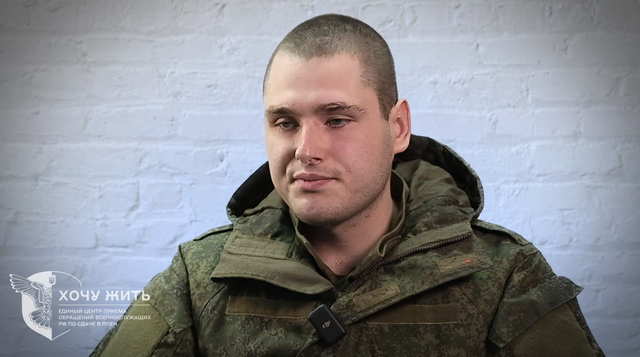
A Russian drone operator from the elite Rubikon unit, Miroslav Simonov, defected to Ukraine citing systemic abuse, psychological pressure, and moral objections to civilian casualties caused by Russian drone strikes. Simonov surrendered through Ukraine's 'I Want to Live' project and now seeks to fight for Ukraine.
Key Takeaways
- Miroslav Simonov, a Russian drone operator from the elite Rubikon unit, defected to Ukraine.
- Rubikon is an advanced UAV and electronic warfare unit overseen by Russia's GRU.
- Simonov cited systemic abuse, psychological pressure, and moral objections to civilian harm as reasons for his defection.
- The 'I Want to Live' project, run by Ukraine, facilitated his safe surrender and guarantees protection under international law.
- Simonov now intends to fight for Ukraine, highlighting the internal dissent within Russian military ranks.
Why It Matters
This defection highlights internal fractures within Russia's elite drone units, which are critical to its military operations. The incident underscores the ethical and operational challenges of drone warfare, while also showcasing Ukraine's psychological operations and ability to exploit dissent within enemy ranks.
A Russian soldier from the elite drone unit Rubikon has surrendered to Ukrainian forces, saying he could no longer follow orders amid constant pressure and what he described as systemic abuse.
Miroslav Simonov told the Ukrainian “I Want to Live” project that he was forced into the Russian army under threat of criminal charges.
Follow our coverage of the war on the @Kyivpost_official.
“I was taken to the local police office, where the investigators offered me a choice: either you go serve your mandatory military service – with the hint that I would later be recruited for the war – or voluntarily serve in a unit where my father serves: the Logistics Company in the Bryansk region,” Simonov said.
After signing the papers, Simonov said he was sent to the training ground in Russia’s Voronezh region. New recruits were trained for several weeks as assault troops before being assigned specific roles.
Simonov was assigned to the UAV unit and deployed to occupied Luhansk region, joining a special UAV company within Russia’s 20th Army. There, he mostly handled rear-area duties and took a short course on operating Mavic quadcopter drones.
Later, some soldiers were moved to a new battalion, but experienced drone operators remained in place. Simonov and one other soldier were sent to the elite Rubikon unit.
Rubikon is equipped with advanced drones and electronic warfare systems. The unit operates away from the front line and is funded and overseen by Russia’s GRU, according to Ukrainian officials.
He described the unit as harsh, with constant psychological pressure, verbal abuse, and threats of transfer to “meat” assault units for minor infractions.
After additional training, Simonov was deployed near Kupyansk, where he served as a drone technician. He said a turning point came when a Russian drone struck the wrong coordinates and seriously injured a 20-year-old woman.
Commanders approved the strike, and soldiers in the unit’s chat downplayed civilian harm.
“I saw support from the command for those who did it. That made me both angry and scared,” Simonov said.
In a later conversation, the drone operator involved dismissed civilian casualties, telling Simonov that frontline cities no longer had civilians – only “Ukrainian soldiers or people working for them.”
Simonov said the incident shocked him and motivated him to flee. He forged documents to leave Russia for Kazakhstan but was detained and sent back to the front as an assault infantryman.
He later contacted the “I Want to Live” project, which guided him safely to Ukrainian positions.
The “I Want to Live” project is run by Ukraine’s Coordination Headquarters for the Treatment of Prisoners of War and supported by the Main Directorate of Intelligence (HUR).
It offers a hotline and a Telegram channel for Russian and allied soldiers to surrender safely. Those who use it are guaranteed protection under international law, including the Geneva Conventions.
Simonov said he now wants to fight on Ukraine’s side.
“They destroyed not only my life, but the lives of many others. I want to defend your home,” he said.
Alisa is the Head of News and a correspondent at Kyiv Post, where she leads the newsroom’s coverage of breaking events and global developments. With over seven years of experience in TV journalism, Alisa has reported on international and Ukrainian politics, making complex stories easier to understand. Back in September 2022, Alisa joined the Kyiv Post team.