The F-14 Tomcat 21 ‘Super’ Could Have Been ‘Ferrari Fighter’ of the U.S. Navy’s Dreams
AI Analysis
The proposed F-14 Tomcat 21 'Super' upgrade highlights the potential for legacy airframes to remain viable through modernization with advanced technologies such as AESA radar, electronic warfare systems, and future-facing weapons like lasers and hypersonic missiles. This concept underscores the importance of continuous upgrades to extend the operational lifespan of military aircraft.
Key Takeaways
- The F-14 Tomcat 21 'Super' was a proposed upgrade to modernize the legacy F-14 platform.
- Upgrades included AESA radar, advanced electronic warfare, and new computing systems.
- Future-facing weapons like lasers and hypersonic missiles were considered for integration.
- The concept demonstrates the viability of legacy airframes with consistent technological refreshes.
- The proposal reflects a broader trend in military aviation to maximize the utility of existing platforms.
Why It Matters
This proposal highlights a strategic approach to cost-effectively enhance military capabilities by upgrading existing platforms rather than developing entirely new systems. The integration of advanced technologies like AESA radar and hypersonic weapons could significantly improve air superiority and adaptability in modern warfare, including counter-UAS and drone defense scenarios.
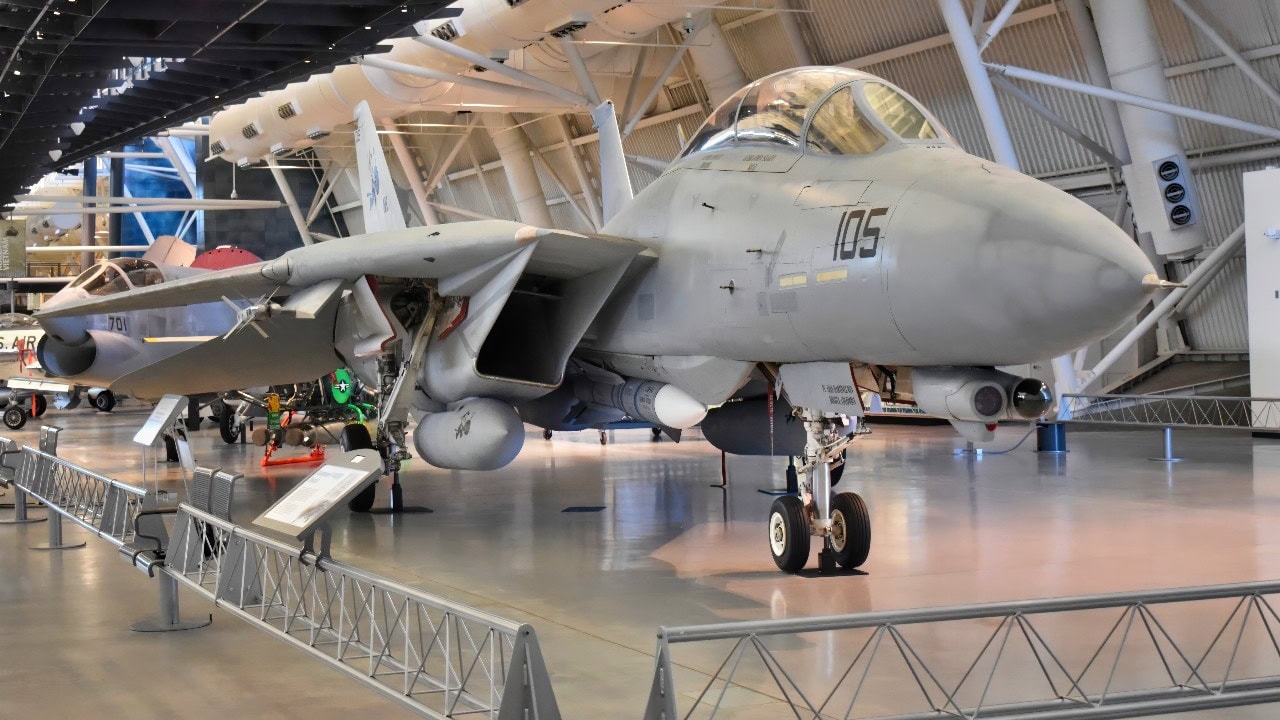
<img width="1280" height="720" src="https://www.19fortyfive.com/wp-content/uploads/2026/01/F-14-Tomcat-19FortyFive.jpg" class="webfeedsFeaturedVisual wp-post-image" alt="F-14 Tomcat 19FortyFive" style="display: block; margin: auto; margin-bottom: 5px;max-width: 100%;" link_thumbnail="" decoding="async" loading="lazy" srcset="https://www.19fortyfive.com/wp-content/uploads/2026/01/F-14-Tomcat-19FortyFive.jpg 1280w, https://www.19fortyfive.com/wp-content/uploads/2026/01/F-14-Tomcat-19FortyFive-300x169.jpg 300w, https://www.19fortyfive.com/wp-content/uploads/2026/01/F-14-Tomcat-19FortyFive-1200x675.jpg 1200w, https://www.19fortyfive.com/wp-content/uploads/2026/01/F-14-Tomcat-19FortyFive-768x432.jpg 768w, https://www.19fortyfive.com/wp-content/uploads/2026/01/F-14-Tomcat-19FortyFive-1024x576.jpg 1024w, https://www.19fortyfive.com/wp-content/uploads/2026/01/F-14-Tomcat-19FortyFive-600x337.jpg 600w, https://www.19fortyfive.com/wp-content/uploads/2026/01/F-14-Tomcat-19FortyFive-150x84.jpg 150w" sizes="auto, (max-width: 1280px) 100vw, 1280px" /><p>A proposed “F-14 21 Super Tomcat” upgrade suggests the Navy could have kept the Tomcat’s speed, range, and two-seat advantage while modernizing it with AESA radar, advanced electronic warfare, new computing, and even future-facing weapons like lasers or hypersonic missiles. The argument leans on a familiar precedent: legacy airframes can remain viable for decades when sensors, avionics, software, and weapons interfaces are continuously refreshed. </p>
<p>The post <a href="https://www.19fortyfive.com/2026/01/the-f-14-tomcat-21-super-could-have-been-ferrari-fighter-of-the-u-s-navys-dreams/">The F-14 Tomcat 21 ‘Super’ Could Have Been ‘Ferrari Fighter’ of the U.S. Navy’s Dreams</a> appeared first on <a href="https://www.19fortyfive.com">19FortyFive</a>.</p>