The Ukraine War Has Battle Hardened the Russian Military
AI Analysis
The Ukraine war has forced the Russian military to adapt to modern warfare, integrating drones, electronic warfare (EW), and long-range fires into cohesive strike systems. These adaptations include the use of loitering munitions, glide kits, and frontline jamming, enabling rapid sensor-to-shooter capabilities and targeting critical infrastructure like command posts and logistics hubs.
Key Takeaways
- Russian forces have adapted to constant drone surveillance and electronic warfare in Ukraine.
- Integration of UAVs, loitering munitions, and glide kits has enhanced artillery and strike capabilities.
- Frontline jamming and dispersed small-unit tactics have become routine in Russian operations.
- Commanders have fused drones, EW, long-range fires, and logistics into a unified strike complex.
- These advancements may be context-specific and less effective outside the Ukraine conflict environment.
Why It Matters
Russia's ability to integrate drones, EW, and advanced munitions into cohesive strike systems demonstrates a significant evolution in modern warfare capabilities. NATO and allied forces must account for these advancements when planning deterrence strategies, while also recognizing the potential limitations of Russia's adaptations in other theaters.
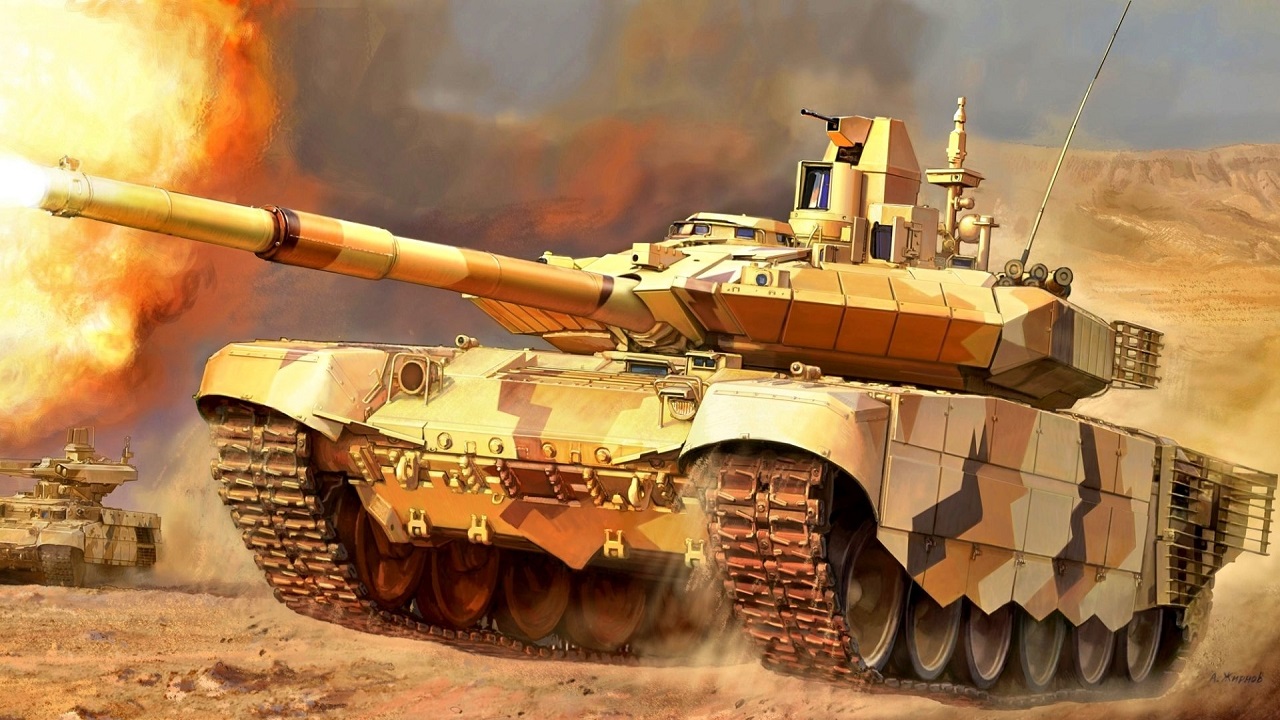
<img width="1280" height="720" src="https://www.19fortyfive.com/wp-content/uploads/2022/07/Russian-T-90-Tank.jpg" class="webfeedsFeaturedVisual wp-post-image" alt="Russian T-90 Tank. Image Credit: Creative Commons." style="display: block; margin: auto; margin-bottom: 5px;max-width: 100%;" link_thumbnail="" decoding="async" loading="lazy" srcset="https://www.19fortyfive.com/wp-content/uploads/2022/07/Russian-T-90-Tank.jpg 1280w, https://www.19fortyfive.com/wp-content/uploads/2022/07/Russian-T-90-Tank-300x169.jpg 300w, https://www.19fortyfive.com/wp-content/uploads/2022/07/Russian-T-90-Tank-1200x675.jpg 1200w, https://www.19fortyfive.com/wp-content/uploads/2022/07/Russian-T-90-Tank-768x432.jpg 768w, https://www.19fortyfive.com/wp-content/uploads/2022/07/Russian-T-90-Tank-1024x576.jpg 1024w, https://www.19fortyfive.com/wp-content/uploads/2022/07/Russian-T-90-Tank-600x337.jpg 600w" sizes="auto, (max-width: 1280px) 100vw, 1280px" /><p>Four years of fighting in Ukraine forced Russia to relearn war under constant drone surveillance, electronic warfare, and rapid sensor-to-shooter strikes. Small units dispersed and integrated UAVs, armor improvised protection, artillery paired massed fires with loitering munitions and glide kits, and frontline jamming became routine. Over time, Russian commanders fused drones, EW, long-range fires, and logistics into a single strike complex aimed at command posts, rail hubs, and reserves. Yet a reported Venezuela case suggests these gains can look brittle outside Russia’s Ukraine-specific ecosystem. NATO’s task is to deter a sharper adversary without overstating its ability to sustain or export competence.</p>
<p>The post <a href="https://www.19fortyfive.com/2026/01/the-ukraine-war-has-battle-hardened-the-russian-military/">The Ukraine War Has Battle Hardened the Russian Military</a> appeared first on <a href="https://www.19fortyfive.com">19FortyFive</a>.</p>